
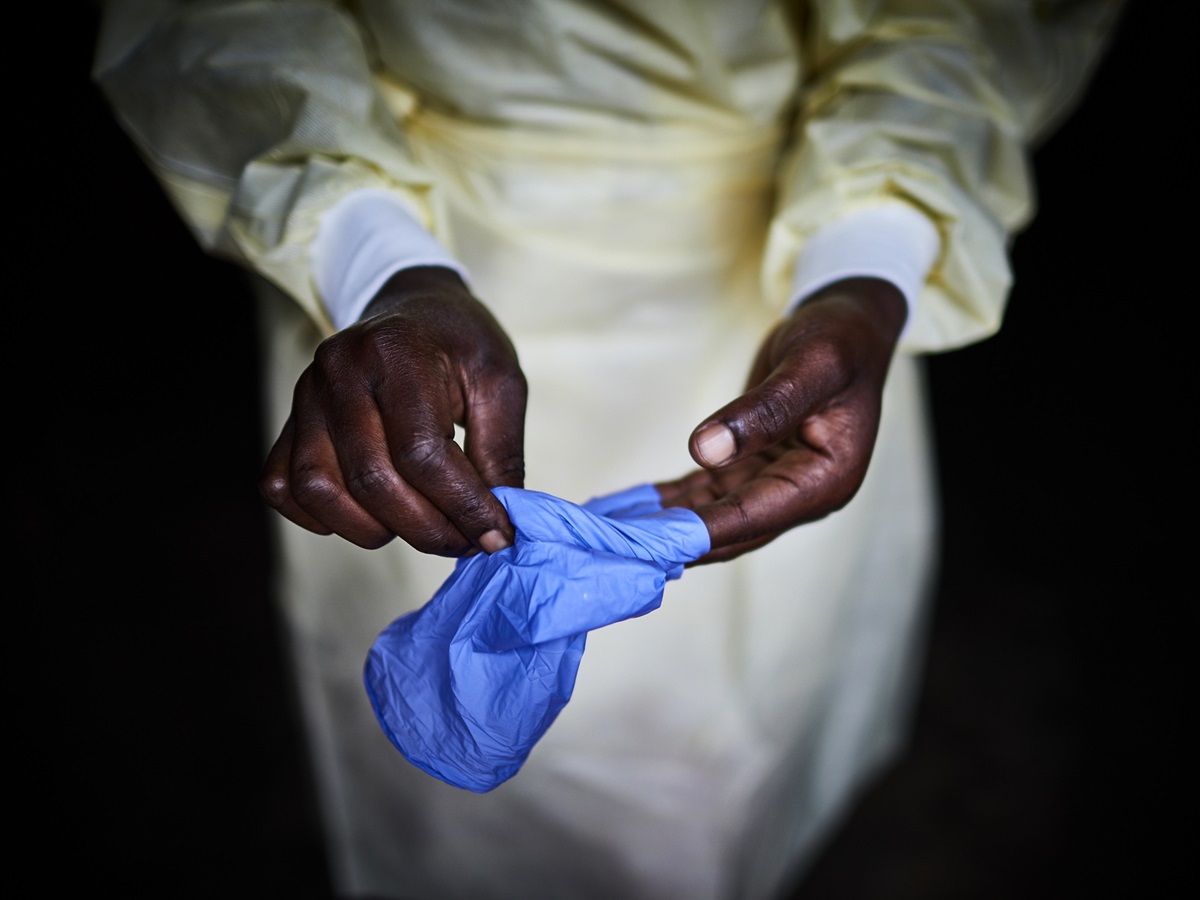
The COVID-19 pandemic and other recent major epidemics have highlighted the extent to which health facilities can contribute to the spread of infections, harming patients, healthcare professionals and visitors if insufficient attention is paid to infection prevention and control (IPC). But a new World Health Organization (WHO) report shows that when good hand hygiene and other cost-effective practices are followed, 70% of these infections can be prevented.
Today, out of every 100 patients in acute care hospitals, seven patients in high-income countries and 15 patients in low- and middle-income countries will get at least one healthcare associated infection (HAI) during their hospital stay. On average, 1 in 10 affected patients will die from HAI.
Intensive care people and newborns are especially at risk. And the report reveals that approximately one in four cases of sepsis treated in the hospital and almost half of all cases of sepsis with organ dysfunction treated in adult intensive care units are related to health care.
Today, on the eve of World Hand Hygiene Day, the WHO presents the first Global Report on Infection Prevention and Control, which brings together evidence from the scientific literature and various reports, as well as new data from WHO studies.
“The COVID-19 pandemic has revealed many challenges and gaps in the IPC in all regions and countries, including those with the most advanced IPC programs,” said Dr. Tedros Adhanom Gebrejesus, WHO Director-General. “She also provided an unprecedented opportunity to look at the situation and quickly increase the readiness for the outbreak of the epidemic and respond through IPC practices, as well as strengthening the IPC program in the entire health system. Our challenge now is to ensure that all countries are able to allocate the human resources, supplies and infrastructure that this requires. ”
The new WHO report provides the first global analysis of the situation on how IPC programs are implemented in countries around the world, including regional and national focuses. Highlighting the harm to patients and healthcare professionals caused by HAI and antimicrobial resistance, the report also addresses the impact and cost-effectiveness of infection prevention and control programs and the strategies and resources available to countries to improve them.
The impact of health-related infections and antimicrobial resistance on people’s lives is invaluable. Over 24% of patients affected by health-related sepsis and 52.3% of patients treated in the intensive care unit die each year. Mortality increases two to three times when infections are resistant to antimicrobial drugs.
In the last five years, the WHO has conducted global surveys and joint country evaluations to assess the status of implementation of national IPC programs. Comparing data from the 2017–18 and 2021–22 surveys, the percentage of countries that have a national IPC program has not improved; moreover, in the period 2021–2022. only four of the 106 countries assessed (3.8%) had all the minimum CPI requirements at the national level. This is reflected in the inadequate application of CPI practices at the place of care, with only 15.2% of health care facilities meeting all minimum CPI requirements, according to a 2019 WHO survey.
However, encouraging progress has been made in some areas, with a significant increase in the percentage of countries with a designated CPI contact point, a dedicated CPI budget and a front-line training curriculum for health professionals; development of national IPC guidelines and a national HAI surveillance program or plan; use of multimodal strategies for IPC interventions; and establishing compliance with hand hygiene as a key national indicator.
Many countries are showing strong commitment and progress in enlargement activities to set minimum requirements and key components of the IPC program. The WHO and other key players strongly support progress. Maintaining and further expanding this progress in the long run is a critical need that requires urgent attention and investment.
The report reveals that high-income countries are more likely to advance in the work of the CPI and are eight times more likely to have a more advanced IPC implementation status than low-income countries. Indeed, little improvement was observed between 2018 and 2021 in the implementation of IPC national programs in low-income countries, despite the increase in attention generally paid to the IPC due to the COVID-19 pandemic. The WHO will continue to support countries to ensure that IPC programs can be improved in each region.
The WHO calls on all countries around the world to increase their investments in IPC programs to ensure the quality of care and safety of patients and healthcare professionals. This will not only protect their population, but also increased investment in IPC has shown that it improves health outcomes and reduces health care costs and out-of-pocket costs.
# # #
Notes for editors
IPC is a clinical and public health specialty based on a practical, evidence-based approach that prevents patients, healthcare professionals, and health care visitors from being harmed by avoidable infections, including those caused by antimicrobial-resistant pathogens acquired during service delivery. health services. It occupies a unique position in the field of safety and quality of care of patients and healthcare professionals, because it is universally relevant for every healthcare professional and patient, in every healthcare interaction.
About whom
The World Health Organization provides global leadership in public health within the United Nations system. Founded in 1948, the WHO works with 194 member states, in six regions and 149 offices, to promote health, preserve world security and serve the vulnerable. Our goal for 2019-2023 is to ensure that one billion more people have universal health coverage, to protect one billion more people from health emergencies, and to provide another billion people with better health and well-being.
For the latest information on COVID-19 and public health advice to protect against coronavirus, visit www.who.int and follow the WHO at TwitterFacebook, Instagram, LinkedIn, TikTok, Pinterest, Snapchat, YouTube, Twitch.